
Colon Screening Guidelines
The latest recommendations for colorectal cancer (also known as colon cancer) screening emphasize early detection to prevent or catch the disease at a treatable stage. Colorectal cancer remains one of the most preventable cancers when screened appropriately, as precancerous polyps can be identified and removed during procedures like colonoscopy.
Major organizations, including the U.S. Preventive Services Task Force (USPSTF), American Cancer Society (ACS), Centers for Disease Control and Prevention (CDC), and American College of Gastroenterology (ACG), align on key points. As of the most recent updates (with the USPSTF recommendation from 2021 still current in 2026, and consistent references in 2025 sources), guidelines recommend starting screening earlier than in the past due to rising incidence in younger adults.
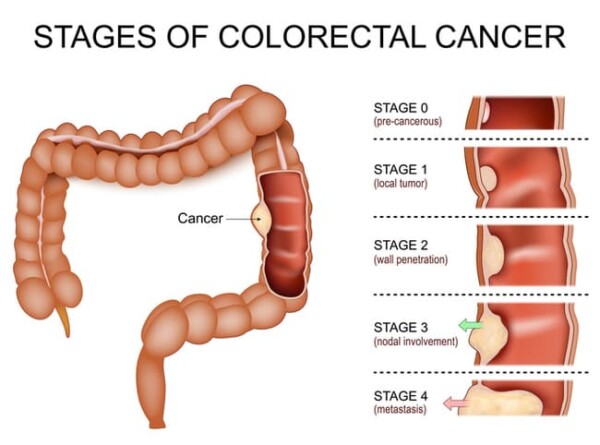
Screening often finds polyps or early-stage cancer (stages 0–1) that are highly treatable—before symptoms appear.
Who Should Be Screened?
- Average-risk adults (no family history, no personal history of polyps/cancer, no inflammatory bowel disease, no genetic syndromes): Start regular screening at age 45.
- Continue screening through age 75 if in good health and life expectancy >10 years.
- For ages 76–85, screening should be individualized based on health status, prior screening history, and preferences—discuss with your doctor.
- Over age 85, screening is generally not recommended.
This shift to age 45 (from the previous 50) reflects evidence of increasing colorectal cancer rates in people under 50. The USPSTF gives a Grade A recommendation for ages 50–75 and Grade B for 45–49, meaning benefits outweigh harms and screening is strongly supported.
Individuals at higher risk (e.g., family history of colorectal cancer/polyps, personal history of polyps, ulcerative colitis/Crohn’s, Lynch syndrome, or FAP) may need to start earlier (often age 40 or younger), screen more frequently, or use specific tests—consult a gastroenterologist for personalized plans.
Recommended Screening
A colonoscopy is currently the best test available to detect and remove precancerous polyps and early cancers.
Why Screening Matters
Colorectal cancer is highly treatable when found early—5-year survival exceeds 90% for localized disease. Screening reduces incidence by removing precancerous polyps and detects cancer before symptoms appear. Adherence has improved since the age 45 recommendation, with more polyps detected in younger groups.
At Hudson Valley Gastroenterology, we follow these evidence-based guidelines and offer all approved screening options in a comfortable, patient-centered environment. If you’re 45 or older (or younger with risk factors), schedule a consultation to discuss the right plan for you.
Important note: These are general guidelines—individual recommendations vary. Always consult your gastroenterologist for advice tailored to your health history. Contact our office for questions or to schedule screening. Early action saves lives!
